📩 Quick Enquiry
Send us a message — we reply within minutes. [fluentform id=”1″]📝 IB Extended Essay (EE) Help
Specialist support for your Extended Essay from IBO certified tutors who know exactly what earns marks — and what doesn’t. From first draft to final submission.
Talk to an IB Expert Today
Just 45 minutes with one of our IB Experts
What’s Included in Our IB EE Help Support
Everything you need to submit a strong Extended Essay.
Subject selection & supervisor strategy
Research question development & scoping
Argument structure & logical flow (4,000 words)
Academic research skills & citation (MLA/APA/Chicago)
RPPF reflection entries — all three points
Draft feedback — multiple rounds
Final formatting & bibliography check
Targeting Grade A or B with examiner-backed review
How Our Component Support Works
Structured, examiner-led sessions from first concept to final submission.
Our Results
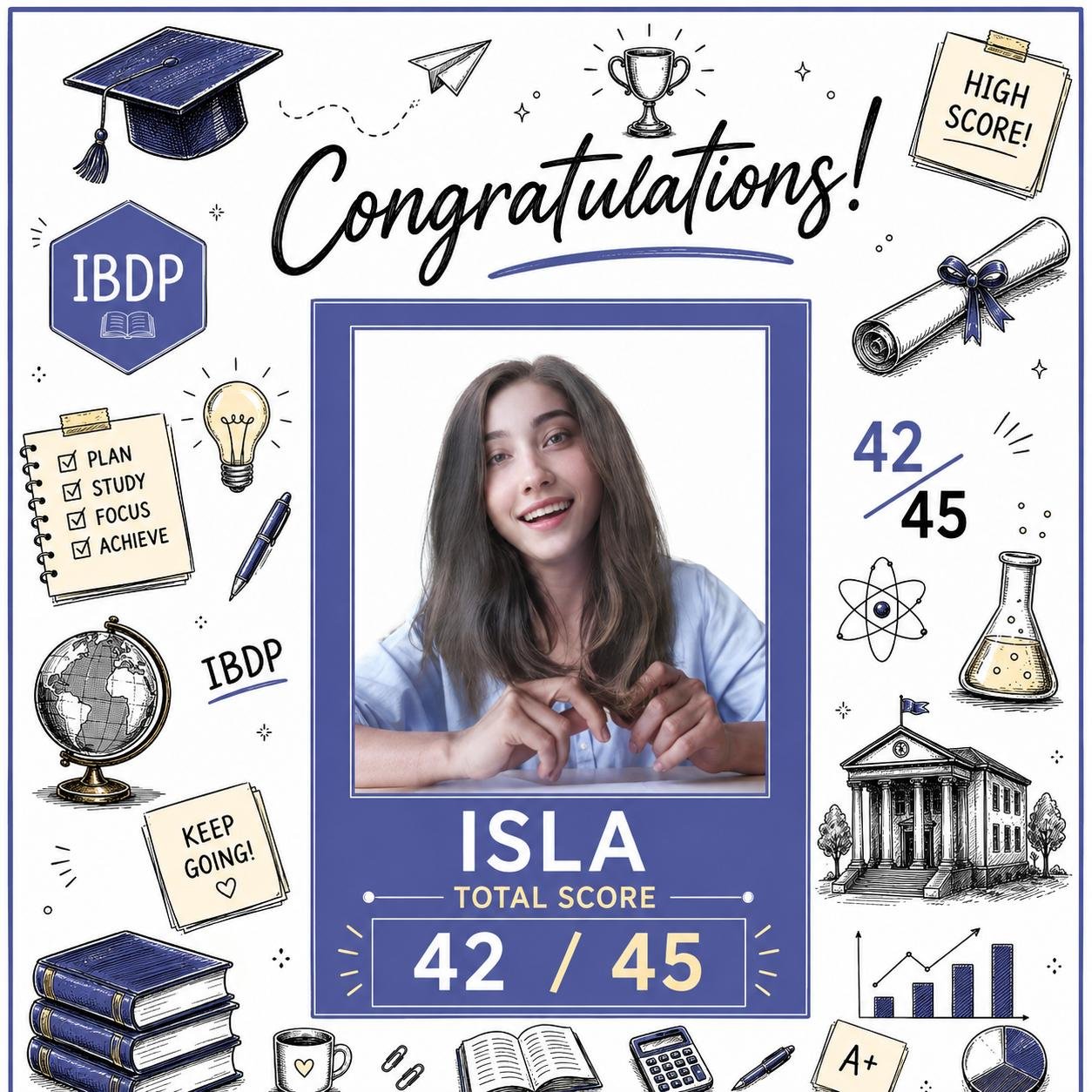
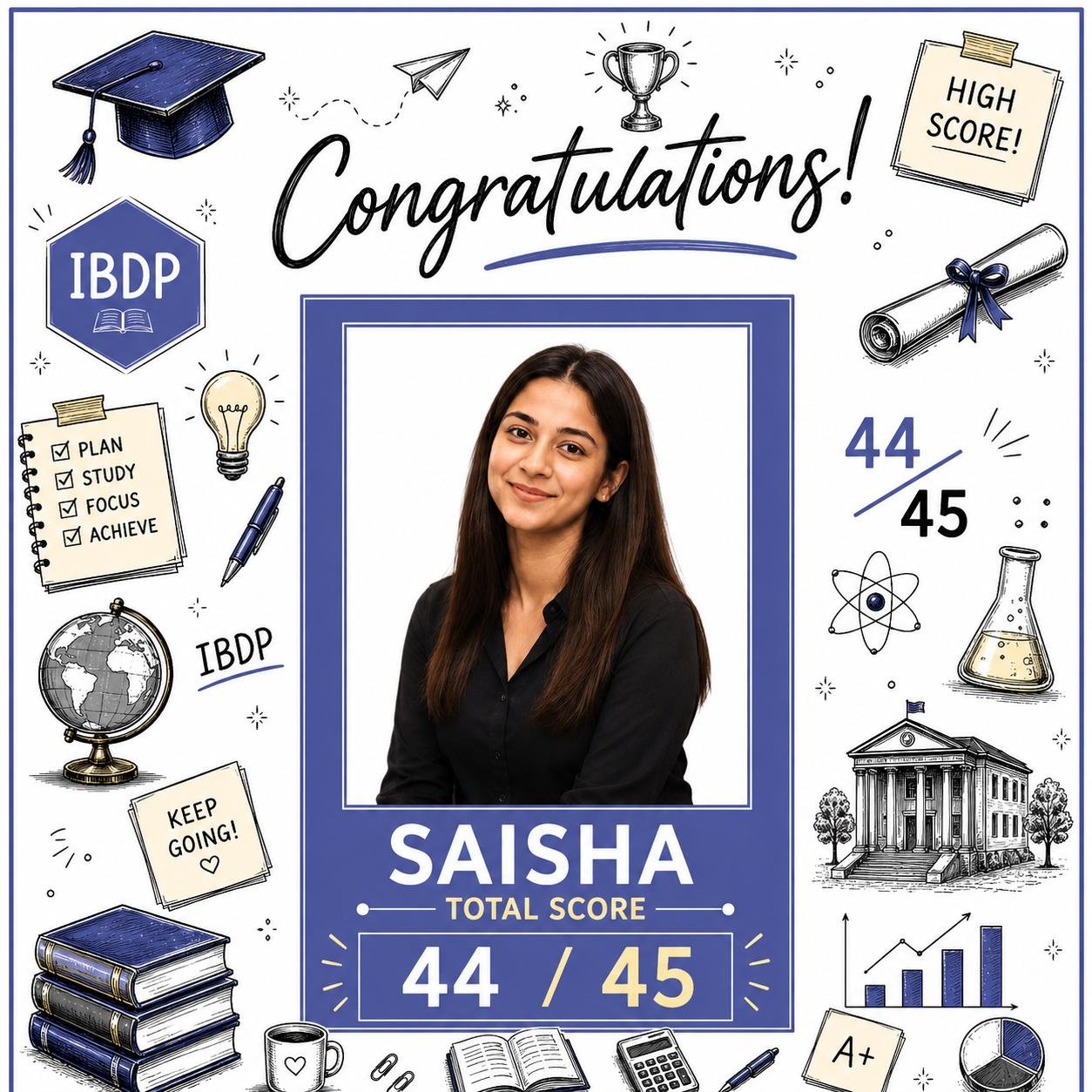
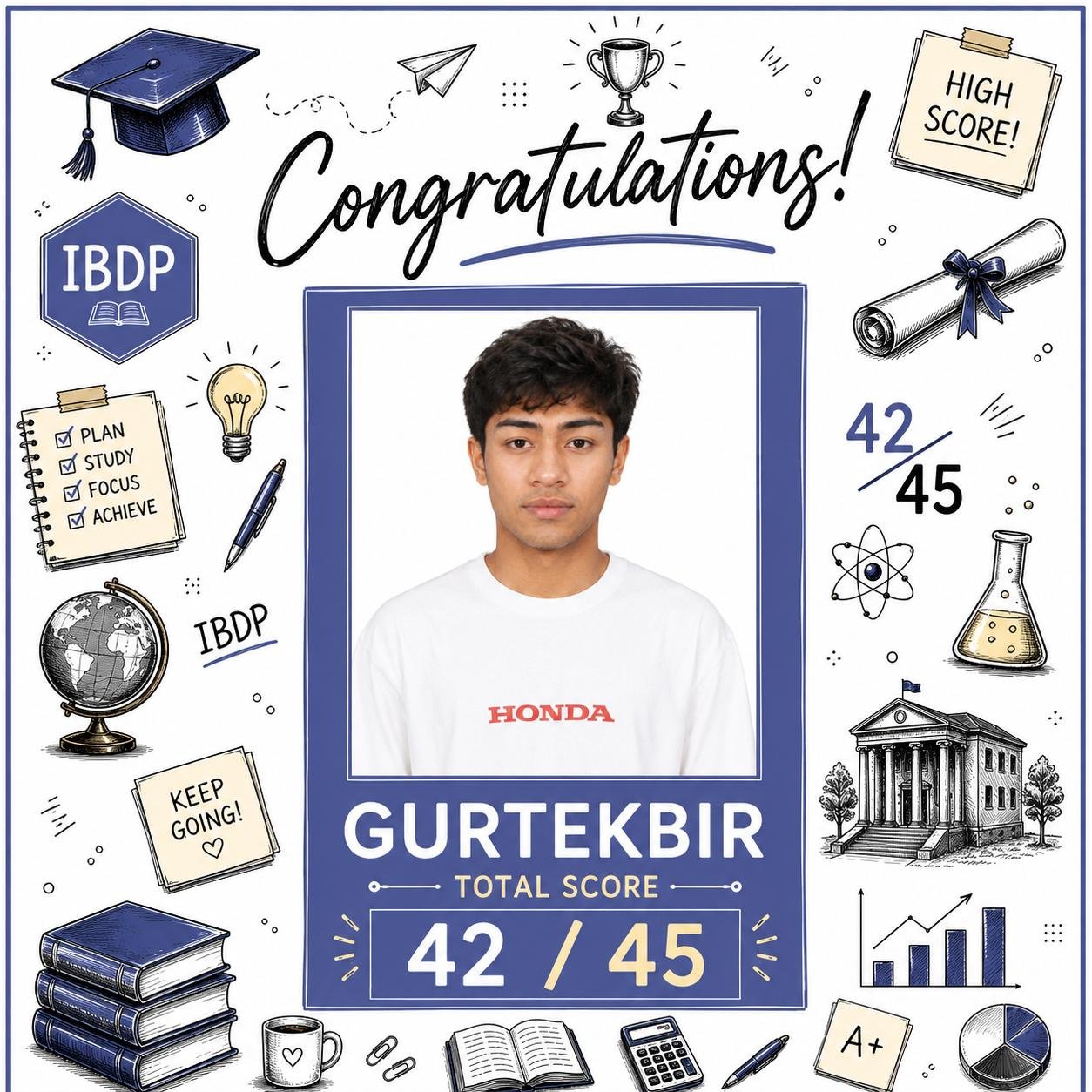
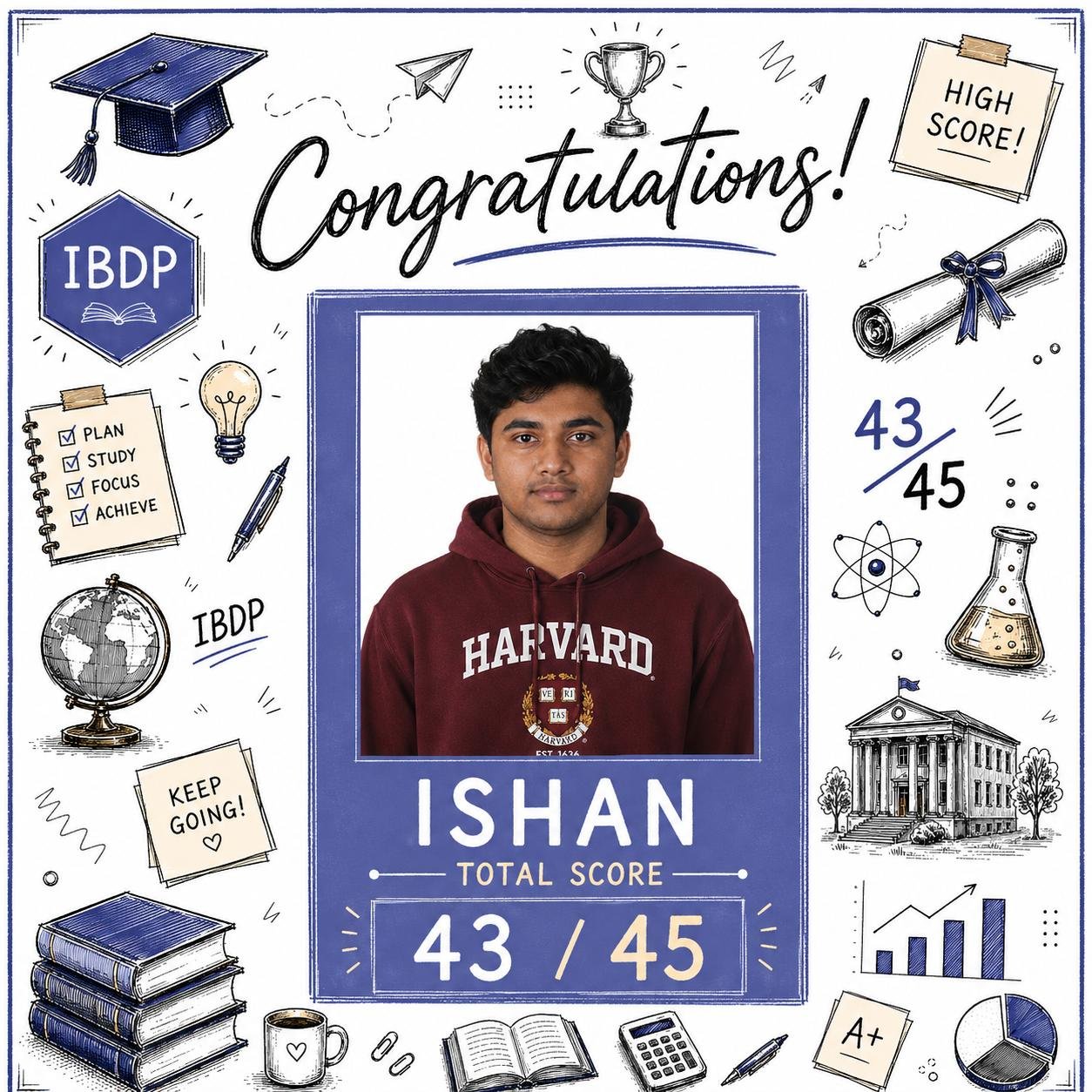
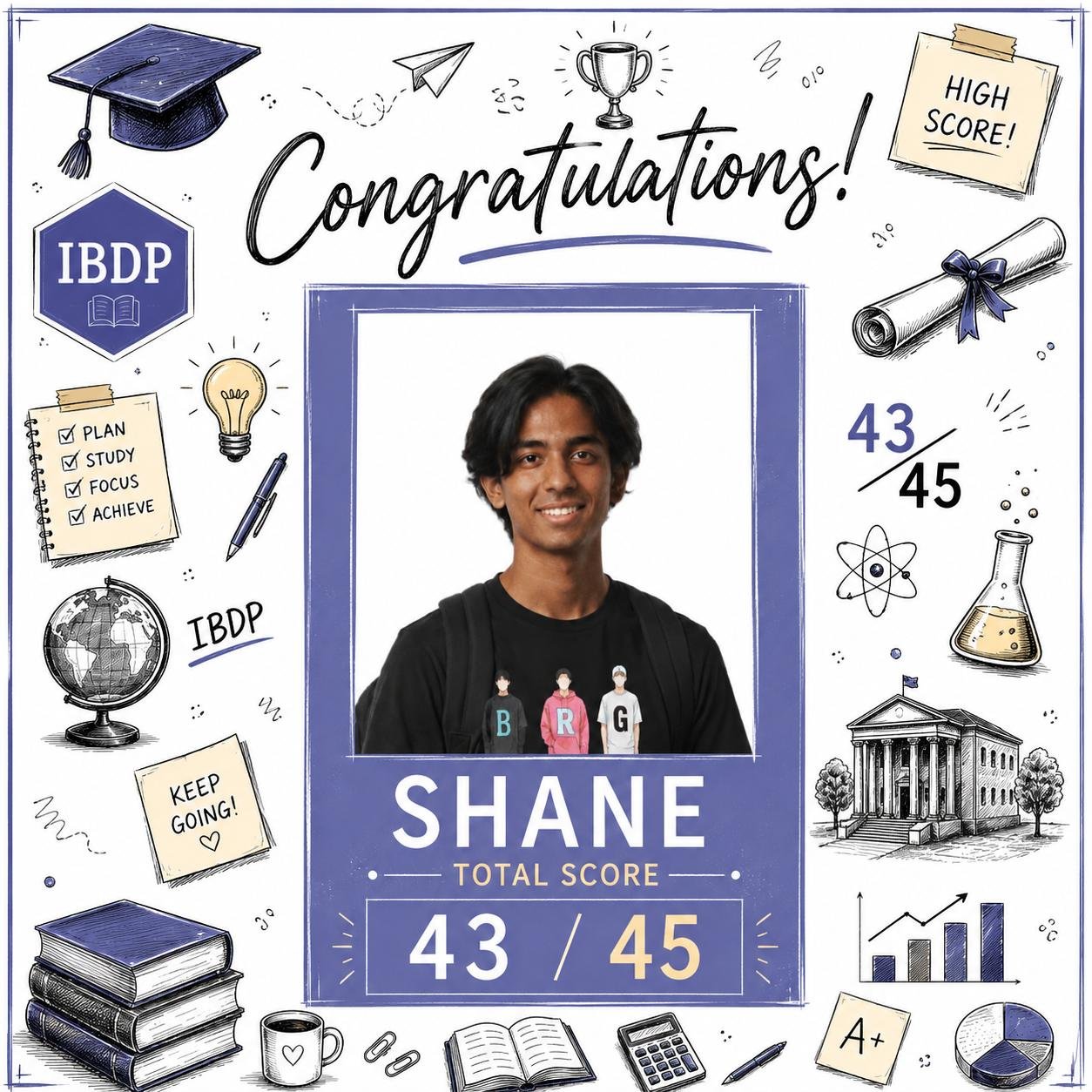
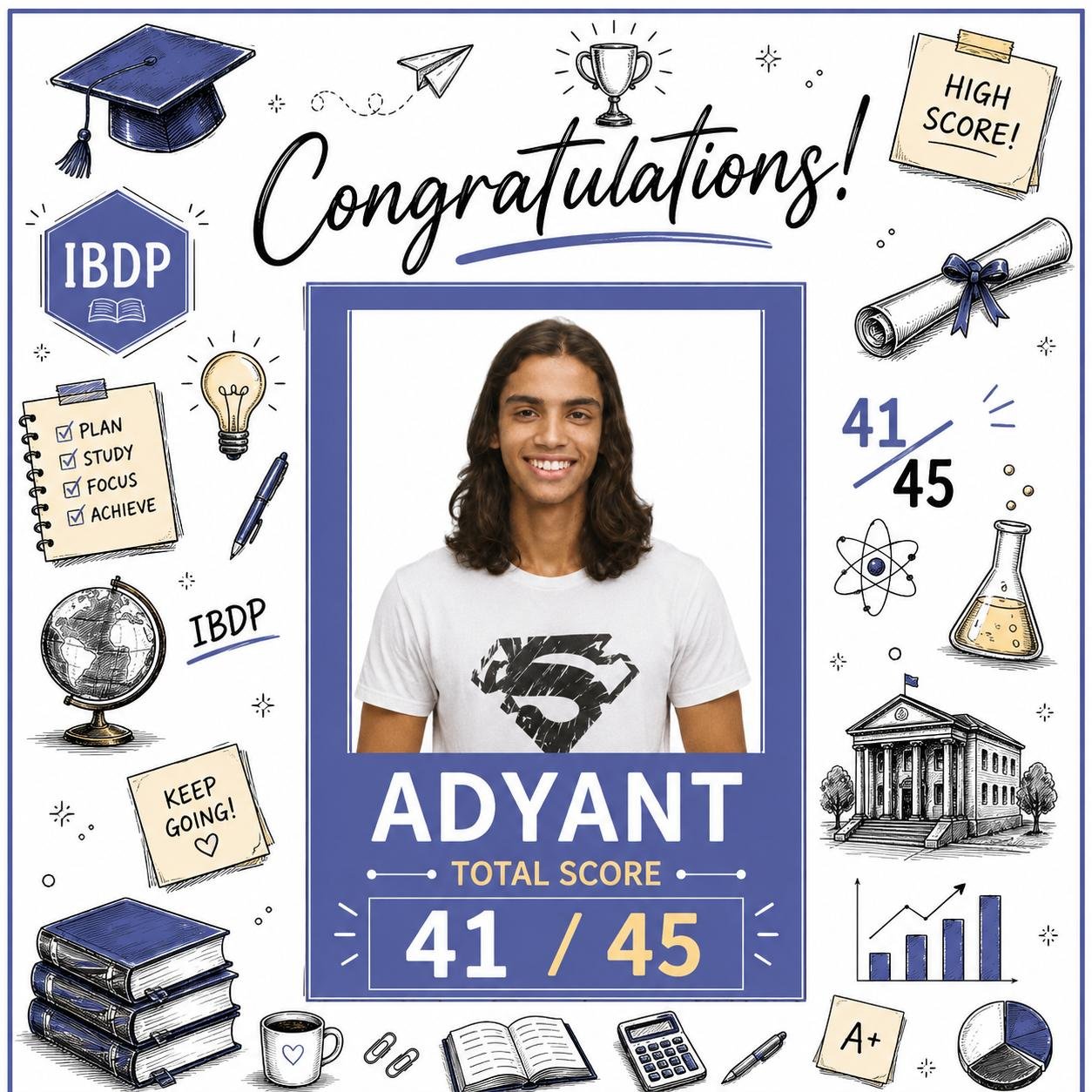
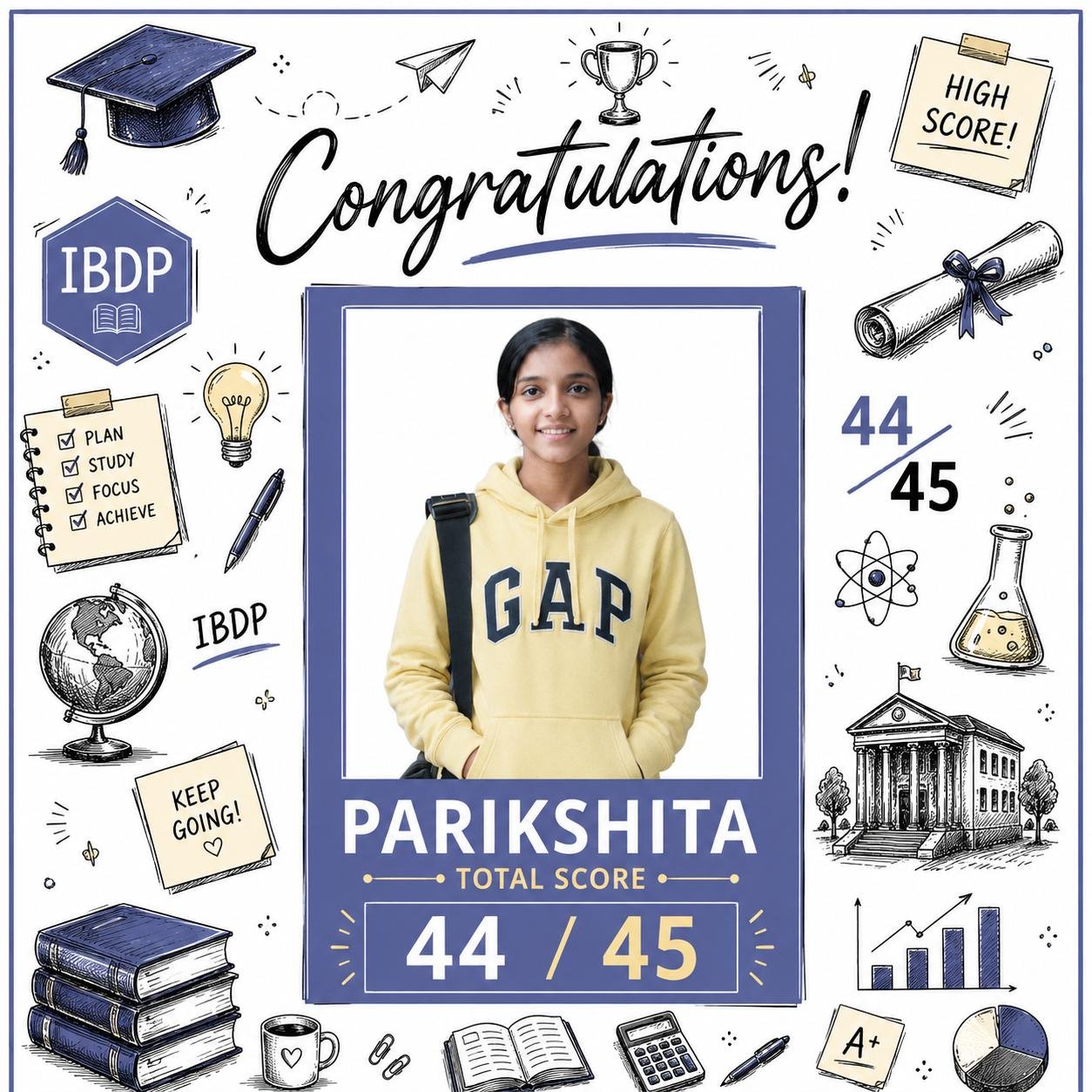
Scores that speak for themselves.
The 1-on-1 sessions with my tutor completely transformed how I understood organic chemistry. I owe my Oxford offer to this team.
I went from a predicted 36 to scoring 43 in my final exams. IBZENITH's approach is unlike anything I had encountered before.
Booking was effortless, the tutor matched my learning style perfectly, and my IA went from a 12 to a 20. Genuinely remarkable.
Our Tutors who’ve been there.
IBO certified examiners — every one scored 40+ in their own IB.

Rishi S.

James Muller

Yaghna Roy

Laura Nair
Reserve Your Session
Choose a time that works for you. One of our IB experts will meet you at the scheduled slot — no prep needed.
Prefer a quick chat? Message us on WhatsApp →